
Kefir
How to Make Kefir at Home
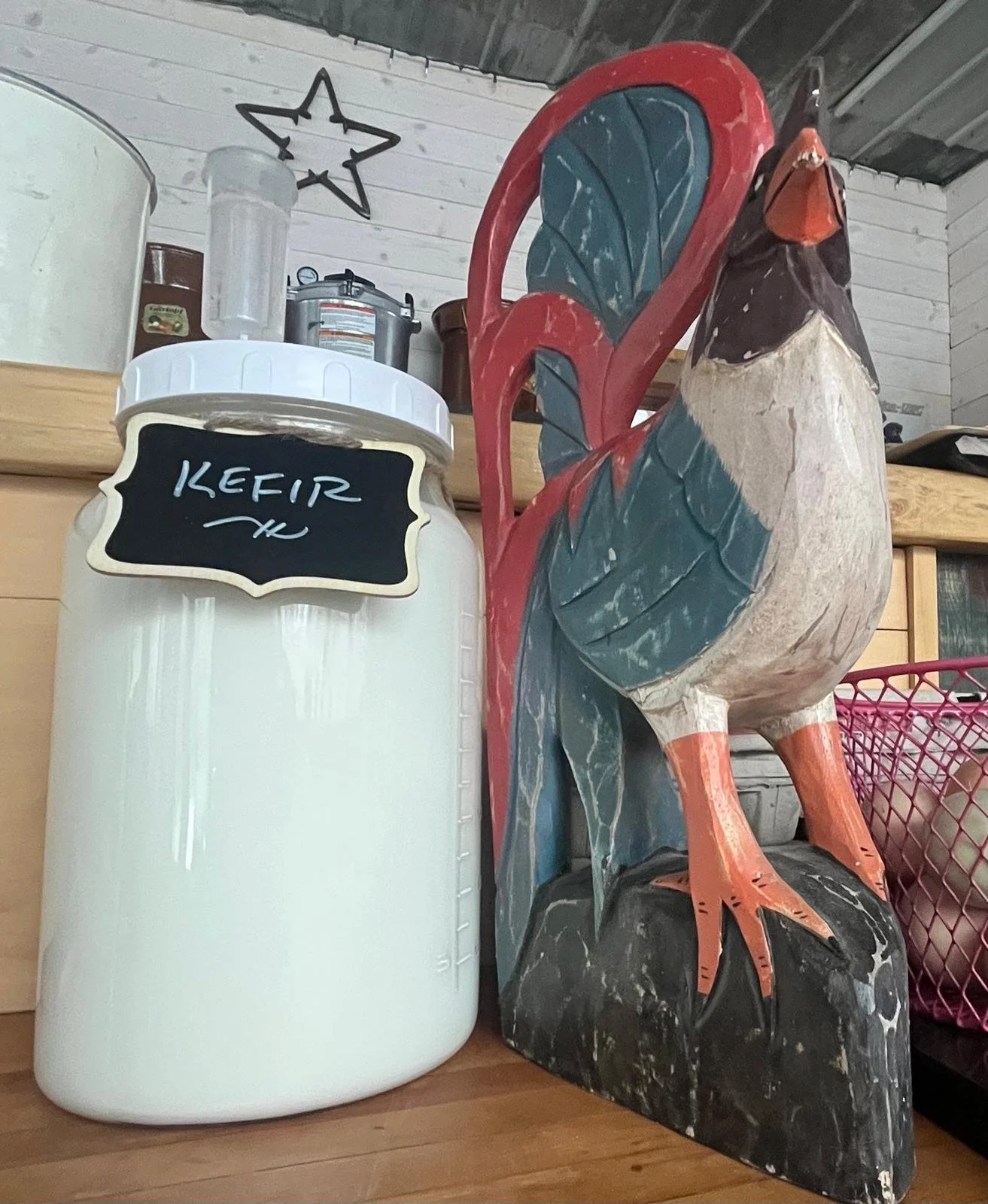
What You Need
• 1–2 tablespoons kefir grains
• 2 cups milk
• A glass jar
• A breathable cover (coffee filter, cloth, or paper towel)
• A rubber band
• A plastic or nylon strainer
• A bowl or second jar
Try to avoid metal strainers for long contact with the grains, as metal can stress the living culture over time.
Step-by-Step Instructions
1. Add the Milk
Place the kefir grains in a clean glass jar.
Pour 2 cups of milk over the grains.
2. Cover the Jar
Cover the jar with a cloth or coffee filter and secure it with a rubber band.
This allows the ferment to breathe while keeping dust and insects out.
3. Ferment
Leave the jar at room temperature for 18–24 hours.
During this time the grains ferment the milk, converting lactose into lactic acid and beneficial microbes.
The kefir is ready when:
• The milk has thickened slightly
• It smells pleasantly tangy
• Small pockets of whey may begin separating
4. Strain the Kefir
Place a strainer over a bowl or jar and pour the kefir through it.
The liquid that passes through is your finished kefir.
The grains remaining in the strainer are reused for the next batch.
5. Start the Next Batch
Put the grains back into a jar, add fresh milk, and repeat the process.
Kefir grains multiply over time, so you will eventually have extras you can share, store, or use to make larger batches.
What Kind of Milk Works Best?
Kefir grains are very adaptable and work with several types of milk.
Cow Milk
The most common option.
Produces a classic tangy kefir with a yogurt-like texture.
Goat Milk
Creates a lighter, slightly thinner kefir with a distinctive flavor.
Many people find goat milk kefir easier to digest.
Creamier Option
If you want a richer kefir, try mixing:
½ whole milk + ½ half-and-half
This produces a thicker, creamier kefir that is almost like drinkable yogurt.
Where to Buy Kefir Grains
Kefir grains are not powdered starter cultures — they are living colonies that can be reused indefinitely.
You can find them:
Online
• Amazon
• Etsy
• Cultures for Health
• Poseymom Kefir
Local Sources
• Health food stores
• Natural grocery stores
• Fermentation groups or Facebook marketplace
• Friends who already make kefir
Many people who make kefir end up with extra grains and are happy to share them.
And eventually, I will also be offering live kefir grains online, so people who want to start fermenting at home will be able to order them directly.
A Few Helpful Tips
• Ferment out of direct sunlight
• Warmer rooms ferment faster
• If kefir becomes too sour, shorten the fermentation time
• If it’s too thin, ferment a bit longer
Kefir is extremely forgiving. Once you start making it, it quickly becomes part of the rhythm of the kitchen — a simple daily fermentation that keeps producing more culture as long as you keep feeding it fresh milk.
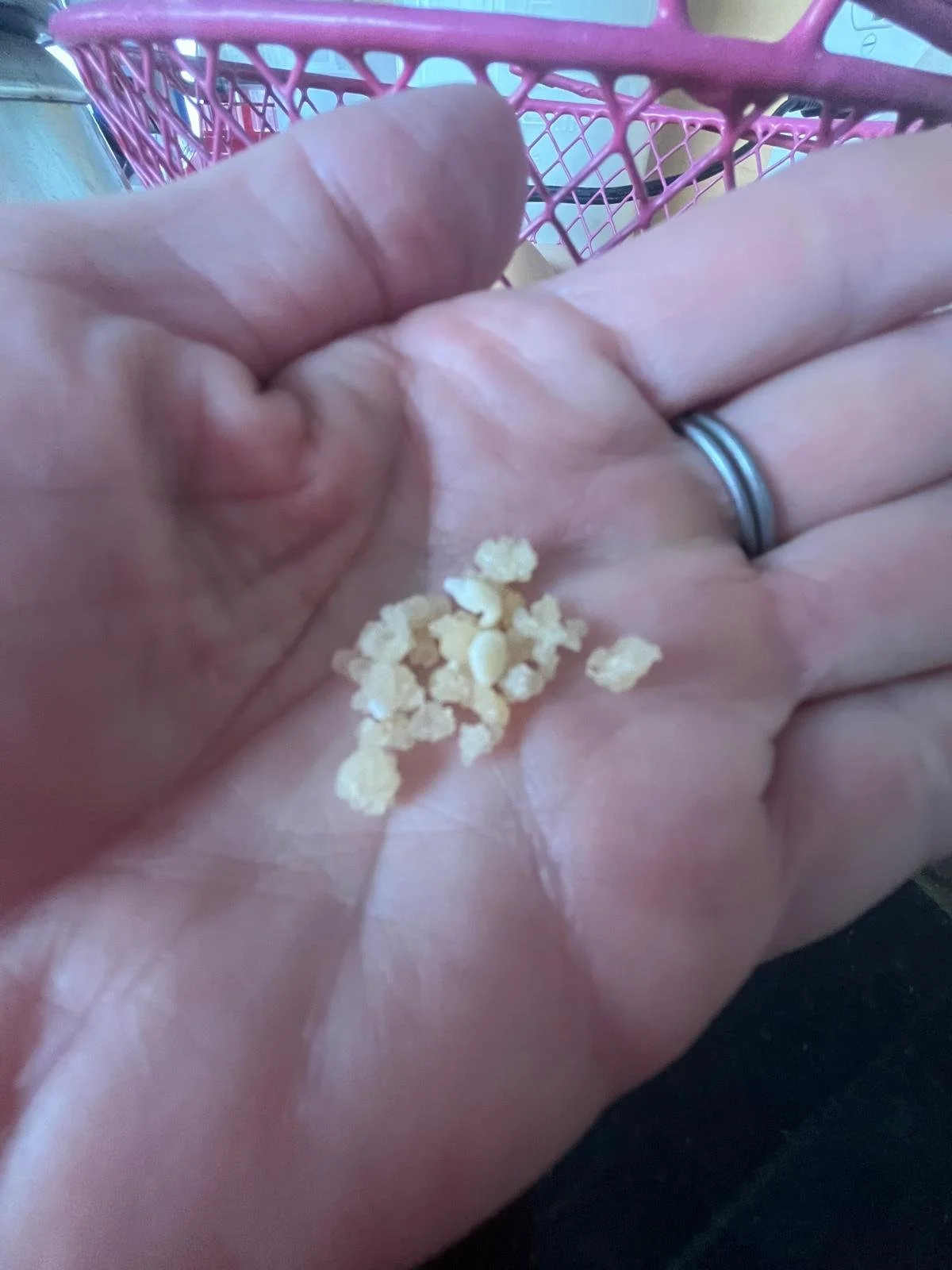
Kefir grains
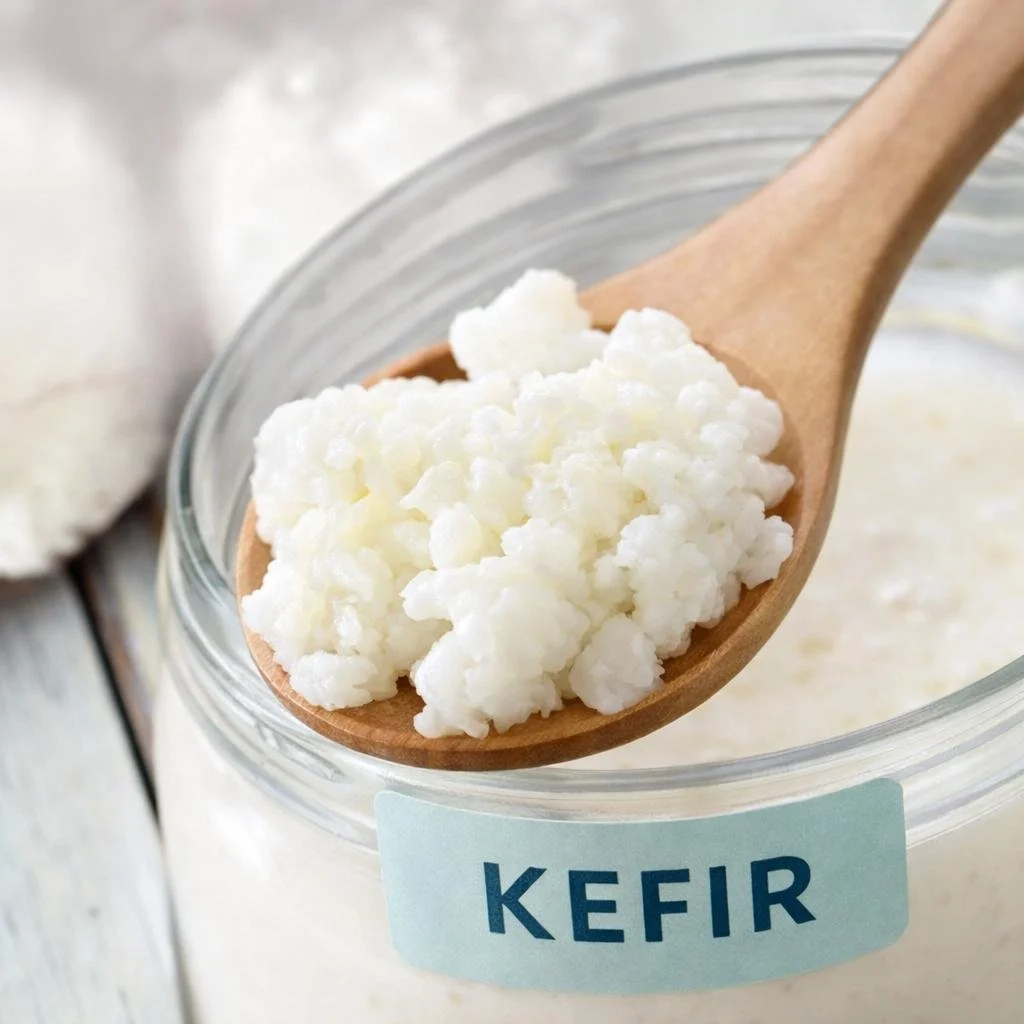
Kefir grains with fermented kefir in background.